

Paper bags are an essential element in modern packaging design. Their shapes not only influence functional performance but also play a significant role in brand presentation and consumer experience. With the continuous evolution of packaging design, paper bag shapes have developed from simple functional structures into diverse and customized systems, widely used in retail, gifting, exhibitions, and commercial promotion.
The most common basic form is the rectangular box-style paper bag. This structure offers strong stability and relatively large capacity, making it suitable for a wide range of products such as clothing, books, and daily necessities. Reinforced bottom structures are often applied to improve load-bearing capacity while maintaining good upright stability and usability.
Another widely used form is the flat paper bag. This type features a simple structure with a thin profile, making it ideal for lightweight products or document carrying. Due to its low production cost and ease of storage and transportation, it is commonly used in promotional activities and commercial events.
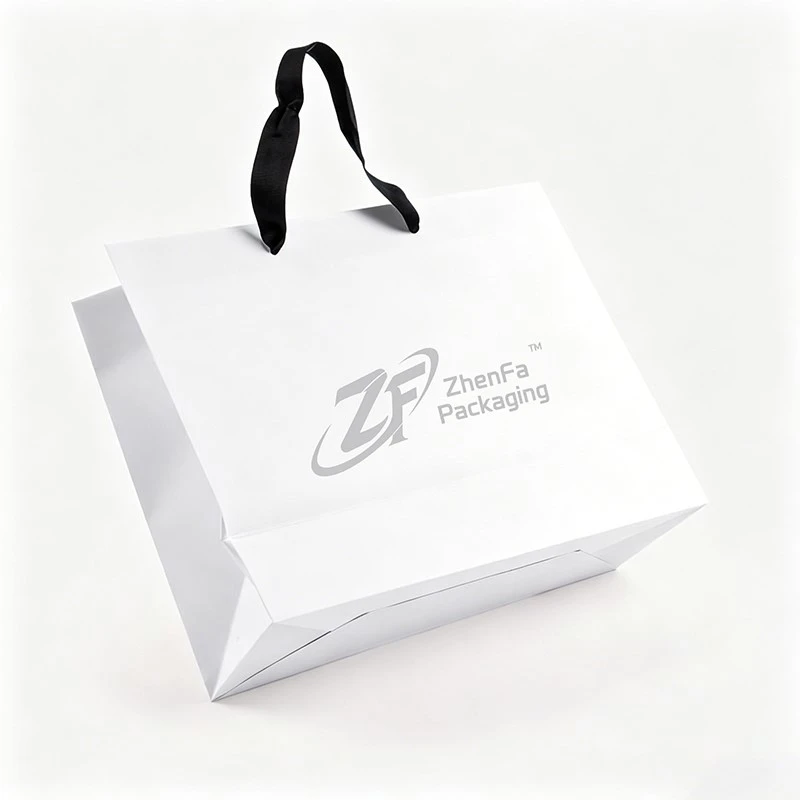
In the high-end customization sector, irregular-shaped paper bags have become an emerging trend. These designs break away from traditional forms by incorporating curved outlines, angled openings, or unique silhouettes, resulting in stronger visual impact and artistic expression. Such designs are often used for luxury goods, limited editions, or brand campaigns to enhance uniqueness and recognition.
Foldable paper bags are another practical form. They can be fully flattened when not in use, saving storage space, and quickly assembled when needed. This structure offers high portability and convenience, making it especially suitable for e-commerce logistics and fast-moving consumer goods packaging.
Driven by environmental awareness, reusable and eco-friendly paper bag shapes are gaining increasing attention. Designs such as reinforced structures, multifunctional folding systems, and transformable configurations allow paper bags to extend beyond single-use packaging and serve as everyday reusable items, improving lifecycle efficiency and resource utilization.
Overall, paper bag shape design has evolved from a purely functional approach to a comprehensive system that integrates practicality, aesthetics, and brand communication. Different shapes not only meet various usage scenarios but also provide richer visual and communicative possibilities for brands.