

In modern packaging systems, paperboard boxes are widely used in electronics, cosmetics, food gift packaging, and premium consumer goods due to their stable structure, refined appearance, and strong branding capabilities. Therefore, the careful selection of paperboard boxes plays a crucial role in enhancing product image, ensuring transportation safety, and improving user experience.
During the selection process, the first step is to determine the appropriate box structure based on product characteristics. Different products vary in weight, size, and fragility, so matching the correct structure is essential. For example, lid-and-base boxes are suitable for general gift packaging, drawer boxes are ideal for premium display products, and book-style boxes are often used to emphasize brand identity and a sense of ceremony. A well-matched structure significantly improves the overall packaging experience.
Secondly, material thickness and rigidity should be carefully evaluated. The load-bearing capacity of a paperboard box is closely related to its density and thickness. Heavier products require high-density board to ensure stability during transportation, while lighter products can use thinner board to reduce cost while maintaining a good appearance.
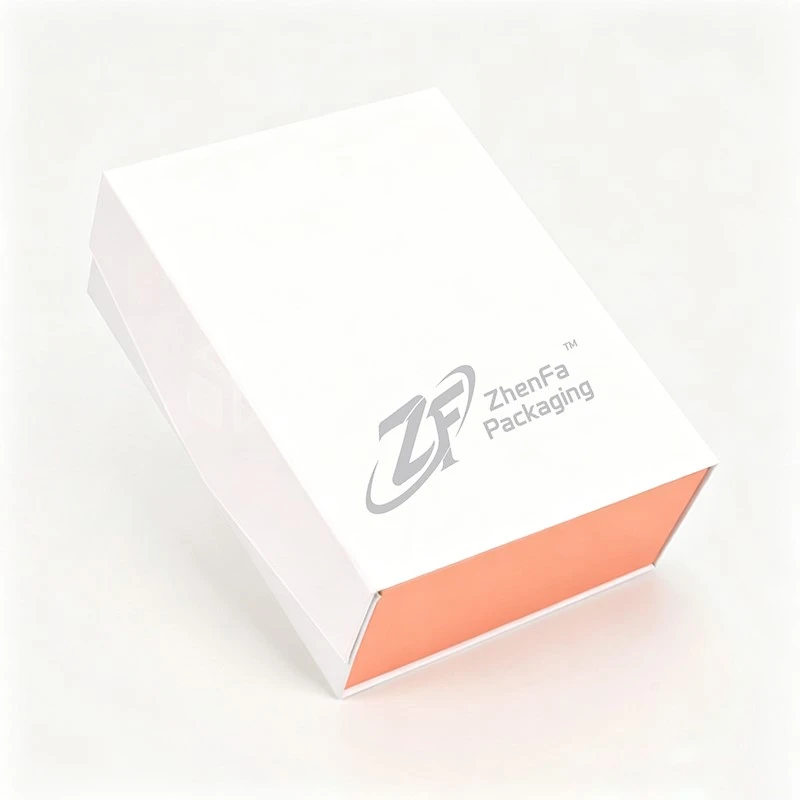
Surface finishing is another important factor in selection. Different printing and post-processing techniques directly affect visual impact and brand presentation. High-end products often use techniques such as hot stamping, spot UV coating, or embossing to enhance texture and premium feel, while standard products focus more on clear printing and cost efficiency. Therefore, finishing choices should align with brand positioning and market needs.
Environmental performance is also a key consideration in modern packaging selection. High-quality paperboard boxes are typically made from recyclable pulp materials and offer strong environmental benefits. With the growing trend of sustainable consumption, choosing eco-friendly materials not only aligns with industry development but also enhances brand reputation.
In practical selection, it is also important to consider the manufacturer's production capabilities and quality consistency to ensure uniform structure and appearance across mass production.
Overall, selecting paperboard boxes requires a comprehensive evaluation of structure, materials, finishing techniques, and environmental factors. Only through careful analysis and balanced decisions can packaging functionality and brand value be fully optimized.