

Hey there! As a seasoned rigid boxes supplier, I know how crucial it is to ensure the strength of our products. Rigid boxes are used for a wide range of purposes, from packaging luxury items to protecting delicate electronics. So, in this blog post, I'm gonna share some effective ways to test the strength of rigid boxes.
1. Compression Testing
One of the most common ways to test the strength of rigid boxes is compression testing. This test measures the maximum load a box can withstand before it collapses or deforms. It's super important because it helps us figure out how well a box can handle the weight of the product it's holding, as well as the pressure from stacking during shipping and storage.
To conduct a compression test, you'll need a compression testing machine. These machines are available in different sizes and capacities, so make sure you choose one that's suitable for your boxes. Here's how the test works:
First, place the rigid box on the testing platform of the machine. Make sure the box is centered and sitting flat. Then, slowly apply a vertical load to the top of the box. The machine will gradually increase the pressure until the box reaches its breaking point.
During the test, it's important to record the maximum load the box can withstand. This data will help you determine if the box meets your strength requirements. If the box collapses under a load that's lower than expected, you may need to adjust the design or materials to improve its strength.
2. Drop Testing
Drop testing is another important method for evaluating the strength of rigid boxes. This test simulates the impact a box might experience during handling and shipping. When a box is dropped, it can be subjected to sudden and intense forces that can damage the box and its contents.
To perform a drop test, you'll need a drop tester. These testers allow you to control the height and angle of the drop. Here's a step-by-step guide on how to conduct a drop test:
- First, select a representative sample of your rigid boxes.
- Measure the weight and dimensions of each box.
- Set the drop height and angle on the drop tester. The height and angle will depend on the type of product the box is designed to hold and the expected handling conditions.
- Place the box in the drop tester and secure it properly.
- Release the box and let it drop onto a hard surface.
- Inspect the box for any damage, such as cracks, dents, or broken corners.
After the drop test, you can evaluate the performance of the box based on the extent of the damage. If the box shows significant damage, you may need to improve its design or use stronger materials.
3. Edge Crush Test (ECT)
The Edge Crush Test (ECT) is a widely used method for measuring the edgewise compressive strength of corrugated and rigid boxes. This test is important because it helps determine how well a box can withstand the pressure exerted on its edges during stacking and handling.
To conduct an ECT, you'll need an edge crush tester. Here's how the test works:
- Cut a test specimen from the box. The specimen should be a rectangular piece with specific dimensions.
- Place the specimen in the edge crush tester, with the edges of the specimen perpendicular to the loading plates.
- Apply a gradually increasing load to the specimen until it fails.
- Record the maximum load the specimen can withstand.
The ECT value is an important indicator of the box's strength. A higher ECT value means the box is more resistant to edgewise compression and is better able to withstand the stresses of shipping and storage.
4. Bursting Strength Test
The bursting strength test measures the resistance of a box to bursting under pressure. This test is particularly important for boxes that will be filled with products that exert internal pressure, such as liquids or powders.
To perform a bursting strength test, you'll need a bursting strength tester. Here's how the test is done:
- Cut a test specimen from the box. The specimen should be a circular or square piece with a specific diameter or side length.
- Clamp the specimen in the bursting strength tester.
- Apply a gradually increasing hydraulic pressure to the specimen until it bursts.
- Record the maximum pressure the specimen can withstand.
The bursting strength value is an important measure of the box's ability to contain the product safely. If the bursting strength is too low, the box may rupture during handling or storage, causing damage to the product and creating a mess.
5. Impact Resistance Testing
In addition to drop testing, impact resistance testing can also be used to evaluate the strength of rigid boxes. This test measures the box's ability to withstand impacts from objects such as machinery or other boxes during shipping and handling.
To conduct an impact resistance test, you can use a pendulum impact tester or a falling weight impact tester. Here's how the test works:
- Select a representative sample of your rigid boxes.
- Mount the box on the testing apparatus.
- Release the pendulum or drop the weight onto the box from a specific height.
- Inspect the box for any damage.
The results of the impact resistance test will help you determine if the box is strong enough to withstand the typical impacts it may encounter during its journey from the factory to the customer.
Importance of Testing for a Rigid Boxes Supplier
As a rigid boxes supplier, testing the strength of our products is not just about meeting customer expectations. It's also about ensuring the safety and integrity of the products we're packaging. By conducting thorough strength tests, we can identify any potential weaknesses in our box designs and make the necessary improvements.
For example, if a compression test reveals that a particular box design collapses under a relatively low load, we can adjust the thickness of the cardboard or the type of adhesive used to strengthen the box. Similarly, if a drop test shows that the box's corners are prone to damage, we can add corner protectors or reinforce the corners with additional layers of cardboard.
Moreover, by providing our customers with detailed test results, we can give them confidence in the quality of our products. They'll know that the boxes we supply are strong enough to protect their valuable items during shipping and storage.

Popular Rigid Box Styles and Their Strength Considerations
Now, let's take a look at some popular rigid box styles and the strength considerations for each.
- Magnetic Flap Gift Box: These boxes are known for their elegance and convenience. When testing the strength of magnetic flap gift boxes, we need to pay special attention to the magnetic closure. The magnets should be strong enough to keep the box closed during handling but not so strong that they make it difficult to open. Additionally, the box itself should be able to withstand the weight of the gift inside and any external pressure during shipping.
- Neck Style Rigid Box: Neck style rigid boxes have a unique design that provides extra protection to the product. The "neck" of the box helps to hold the product securely in place. When testing these boxes, we need to ensure that the neck is strong enough to support the weight of the product and that the box can withstand the forces exerted on it during stacking and transportation.
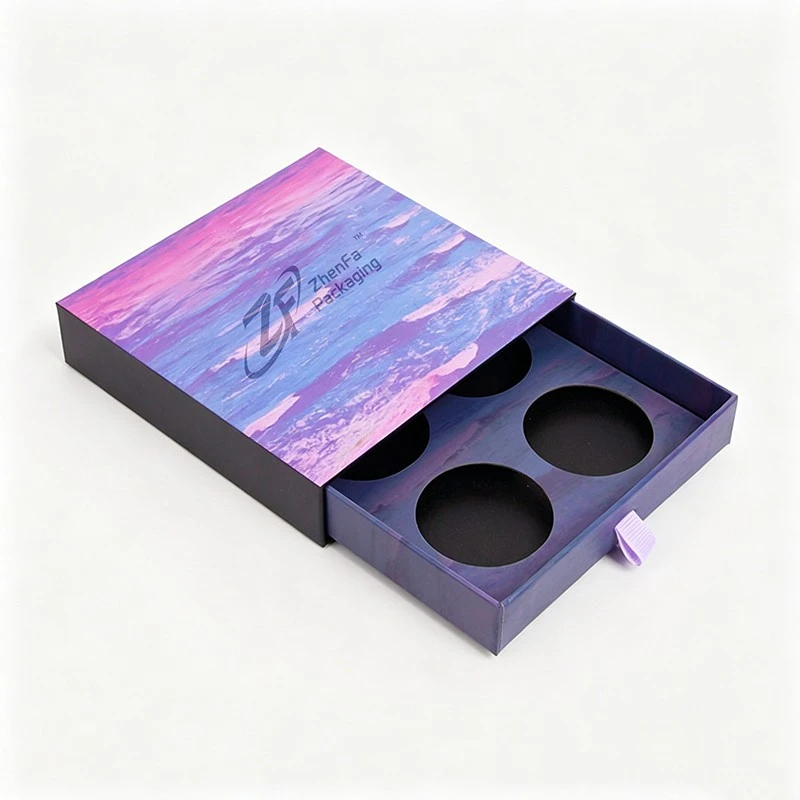
- Drawer Style Rigid Box: Drawer style rigid boxes are great for displaying products. The strength of these boxes depends on the quality of the drawer mechanism and the durability of the box itself. During testing, we need to make sure that the drawer slides smoothly and that the box can handle the weight of the product when the drawer is open or closed.
- Magnetic Flip Top Box: Similar to magnetic flap gift boxes, magnetic flip top boxes rely on magnets to keep the lid closed. The strength of the magnets and the box structure are crucial. We need to test the box to ensure that the lid doesn't open accidentally during shipping and that the box can protect the contents from damage.
- Personalized Cardboard Rigid Box: Personalized cardboard rigid boxes can be customized with different designs and printing. However, the customization process shouldn't compromise the box's strength. We need to test these boxes to make sure that the printing and any additional embellishments don't weaken the cardboard and that the box can still meet the required strength standards.
Conclusion
Testing the strength of rigid boxes is an essential part of our business as a supplier. By using methods like compression testing, drop testing, ECT, bursting strength testing, and impact resistance testing, we can ensure that our boxes are strong enough to protect the products they're meant to hold. Whether it's a Magnetic Flap Gift Box, a Neck Style Rigid Box, or any other type of rigid box, we're committed to providing high-quality products that meet our customers' needs.
If you're in the market for rigid boxes and want to learn more about our testing processes or discuss your specific requirements, feel free to reach out. We're always happy to have a chat and help you find the perfect packaging solution for your products.
References
- Handbook of Packaging Testing.
- Textbook on Corrugated and Rigid Packaging Materials.