

As a supplier of Neck Style Rigid Boxes, one question that frequently comes up in my conversations with clients is, "Are neck style rigid boxes stackable?" This inquiry is not only relevant but also crucial for businesses looking to optimize storage, packaging, and shipping processes. In this post, I'll delve into the details of the stackability of neck style rigid boxes, exploring the factors that influence it and the benefits and limitations associated with stacking them.
Understanding Neck Style Rigid Boxes
Before we discuss stackability, let's first understand what neck style rigid boxes are. These boxes are characterized by their unique design, where the upper part of the box (the "neck") is narrower than the base. This design gives them an elegant and sophisticated look, making them a popular choice for high - end products such as jewelry, cosmetics, and luxury watches.
The construction of neck style rigid boxes involves using thick cardboard or paperboard materials, which are then covered with a variety of finishes like paper, fabric, or leather. This makes them sturdy and durable, capable of protecting the contents inside.
Factors Affecting Stackability
Structural Design
The most obvious factor influencing the stackability of neck style rigid boxes is their design. The difference in width between the neck and the base can pose challenges. If the boxes are not designed properly, they may not stack evenly, leading to instability. However, with a well - engineered design, the base can be made wide enough to provide a stable platform for stacking, and the height and shape of the neck can be adjusted to ensure that the boxes fit together snugly.
Material Strength
The material used in the construction of the boxes plays a significant role in stackability. Strong, high - quality cardboard or paperboard can withstand the weight of multiple boxes stacked on top of it. For example, if a thicker and more rigid material is used, the boxes are less likely to deform under pressure, which is essential for stable stacking. Additionally, the quality of the adhesive used to bind the various parts of the box also affects its strength. A weak adhesive can cause the box to come apart when stacked, leading to a collapse.
Box Dimensions
The dimensions of the neck style rigid boxes are another critical factor. The height, width, and depth of the box need to be in proportion to ensure that they can be stacked efficiently. If the boxes are too tall or too wide, they may be more prone to toppling over. On the other hand, if they are too short or too narrow, they may not provide enough support for the boxes above.
Benefits of Stackability
Space Optimization
One of the primary benefits of stackable neck style rigid boxes is space optimization. In a storage facility or a shipping container, the ability to stack boxes vertically means that more boxes can be stored or transported in a given area. This reduces the need for large storage spaces and can lead to significant cost savings in terms of warehousing and shipping.
Ease of Handling
Stackable boxes are easier to handle. They can be moved around in a more organized manner, whether it's in a warehouse or during the shipping process. Workers can stack and unstack the boxes quickly, reducing the time and effort required for handling.
Limitations of Stackability
Design Constraints
As mentioned earlier, the unique neck design of these boxes can limit their stackability. The neck can interfere with the stacking process, especially if the boxes are not designed to fit together properly. This may require additional design considerations or modifications to ensure that the boxes can be stacked safely.
Weight Distribution
Uneven weight distribution can also be a problem. If the contents of the boxes are not evenly distributed, or if some boxes are heavier than others, it can affect the stability of the stack. This can lead to the boxes toppling over, potentially damaging the products inside.
Comparison with Other Rigid Box Styles
It's interesting to compare the stackability of neck style rigid boxes with other popular rigid box styles.
Drawer Style Rigid Box
Drawer style rigid boxes typically have a more straightforward design, with a rectangular shape that makes them relatively easy to stack. The flat surfaces of the boxes allow for a stable base, and they can be stacked neatly on top of each other without much concern for the design interfering with the stacking process.
Book - Style Rigid Box
Book - style rigid boxes are designed to open like a book. While they can be stacked, their design may require more careful alignment to ensure stability. The hinge mechanism on one side can sometimes make the stack less stable compared to more traditional box designs.

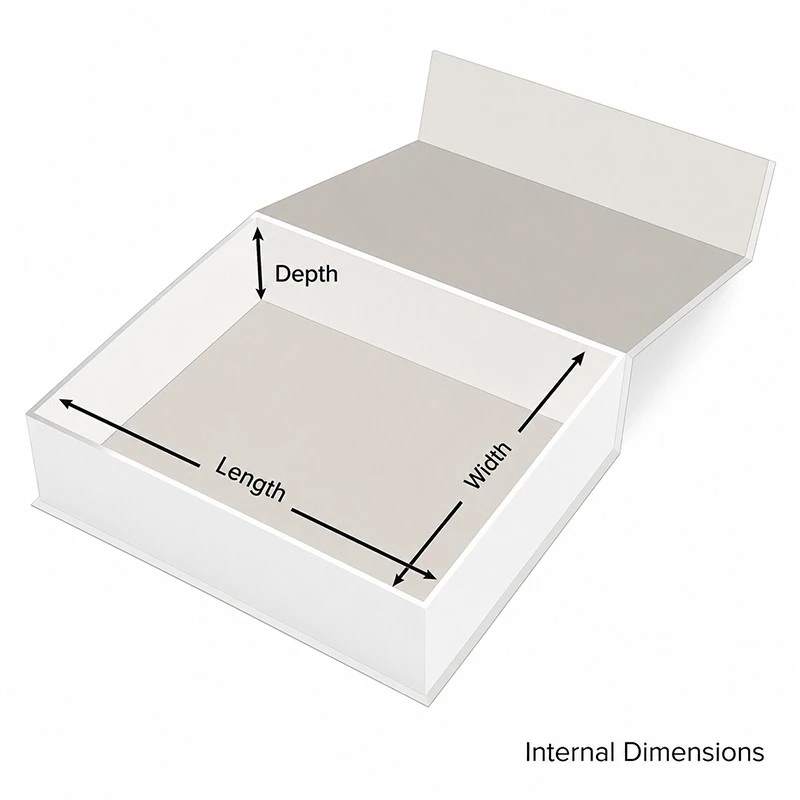
Magnetic Flip Top Box
Magnetic flip top boxes are known for their convenient opening mechanism. Their stackability depends on the size and shape of the magnetic closure. If the closure is too bulky, it can affect the ability of the boxes to stack evenly. However, with proper design, they can be stacked effectively.
Rigid Foldable Boxes
Rigid foldable boxes offer the advantage of being able to be folded flat for storage when not in use. When assembled, their stackability is similar to other rigid boxes, but the folding joints need to be strong enough to withstand the weight of the stack.
Personalized Cardboard Rigid Box
Personalized cardboard rigid boxes can be stackable depending on their design and material. The customization options can sometimes affect the stackability, such as if there are raised elements or unique shapes on the boxes.
Ensuring Stackability of Neck Style Rigid Boxes
As a supplier, I take several steps to ensure that our neck style rigid boxes are stackable.
- Innovative Design: Our design team works on creating neck style rigid boxes with a focus on stackability. We use computer - aided design (CAD) software to model the boxes and test different configurations to find the optimal design for stacking.
- Quality Materials: We source high - quality cardboard and paperboard materials to ensure the strength and durability of our boxes. We also use strong adhesives to bind the parts of the box securely.
- Quality Control: Our quality control team conducts regular inspections to ensure that the boxes meet the required standards for stackability. We test the boxes by stacking them and checking for stability and any signs of deformation.
Conclusion
In conclusion, neck style rigid boxes can be stackable, but it depends on several factors such as design, material strength, and box dimensions. While they offer unique aesthetic appeal for high - end products, careful consideration needs to be given to ensure that they can be stacked efficiently. Compared to other rigid box styles, they may have some limitations due to their design, but with proper engineering and quality control, these limitations can be overcome.
If you're in the market for neck style rigid boxes and are concerned about stackability, I'd be more than happy to discuss your specific requirements. Whether it's for storage, shipping, or display purposes, our team can work with you to create the perfect solution. Contact us to start the procurement process and let's find the best neck style rigid boxes for your products.
References
- Packaging Design Handbook: Principles and Practice, by Tim Paterson
- Materials Science for Packaging, by Mohan S. Soltani and Robert L. Burgess