

In the dynamic landscape of modern business, the efficient use of corrugated boxes is not just a logistical necessity but a strategic advantage. As a dedicated corrugated box supplier, I've witnessed firsthand how businesses can transform their operations by optimizing the use of these versatile packaging solutions. This blog post will explore various strategies and considerations to help businesses make the most of corrugated boxes.
Understanding the Basics of Corrugated Boxes
Corrugated boxes are made from a combination of linerboards and a fluted medium. The fluted structure provides strength and cushioning, making them ideal for protecting products during transit. Different types of corrugated boxes are available, each with its unique features and applications.
- Take Away Pizza Boxes: These boxes are designed specifically for pizza delivery. They are often insulated to keep the pizza warm and have ventilation holes to prevent condensation. You can find a variety of Take Away Pizza Boxes on our website.
- Tuck Top Auto Bottom: This type of box is easy to assemble and offers a secure closure. The tuck - top design allows for quick opening and closing, while the auto - bottom provides stability. Check out our Tuck Top Auto Bottom boxes for your packaging needs.
- Personalised Shipping Boxes: Customization is key in today's market. Personalised shipping boxes can enhance brand visibility and create a memorable unboxing experience for customers. Explore our range of Personalised Shipping Boxes to make your brand stand out.
- Corrugated Tuck - in Box with Rolled Edges: The rolled edges of these boxes provide extra protection and a smooth finish. They are suitable for a variety of products, especially those that require a more delicate touch. Discover our Corrugated Tuck - in Box with Rolled Edges for your specific requirements.
- Reverse Tuck End Box: Reverse tuck end boxes offer a unique and aesthetically pleasing design. They are often used for high - end products and can be easily customized. Learn more about our Reverse Tuck End Box options.
Choosing the Right Corrugated Box
Selecting the appropriate corrugated box for your business is crucial. Consider the following factors:
Product Characteristics
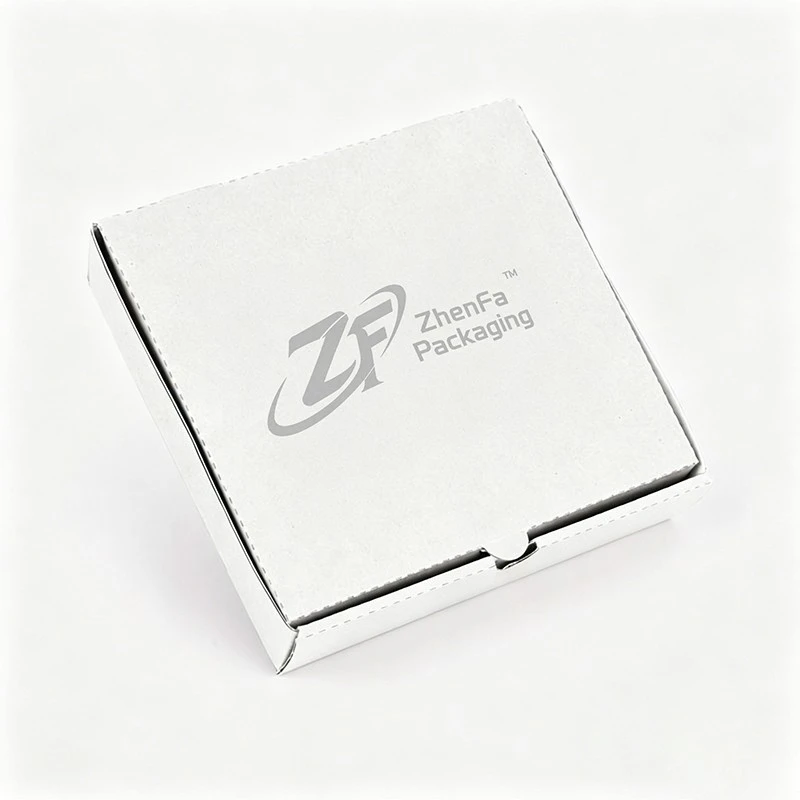
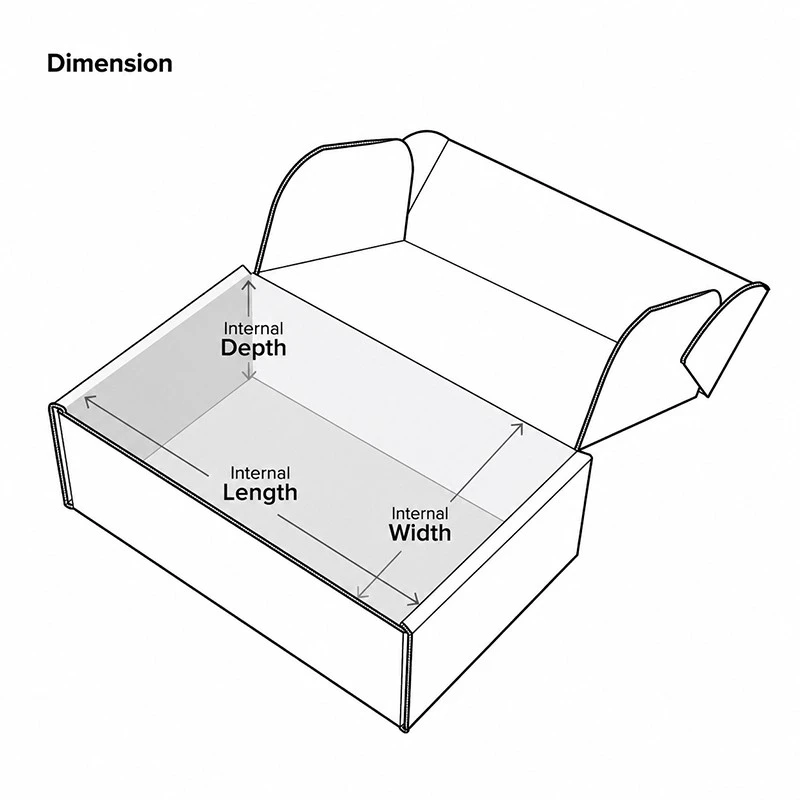
- Size and Weight: Measure the dimensions and weight of your product accurately. A box that is too large may result in excessive movement during transit, while a box that is too small can damage the product.
- Fragility: If your product is fragile, choose a box with a higher flute grade or additional cushioning materials. For example, a double - wall corrugated box provides more protection than a single - wall box.
Shipping Requirements
- Distance and Handling: Longer shipping distances and rough handling require more durable boxes. Consider the mode of transportation (e.g., air, sea, or land) and the potential for shocks and vibrations.
- Environmental Conditions: If your product will be exposed to extreme temperatures, humidity, or other environmental factors, choose a box with appropriate moisture - resistance or insulation properties.
Branding and Marketing
- Customization Options: Use corrugated boxes as a marketing tool. Customize the box with your brand logo, colors, and product information to create a cohesive brand image.
- Unboxing Experience: Design the box to enhance the unboxing experience for your customers. This can include features such as easy - to - open flaps, inserts, or promotional materials.
Optimizing Box Design and Assembly
Efficient box design and assembly can save time and money. Here are some tips:
Design for Efficiency
- Minimize Material Waste: Optimize the box design to use the least amount of material without sacrificing strength. This can be achieved through careful layout and sizing.
- Modular Design: Use modular box designs that can be easily adjusted to fit different product sizes. This reduces the need for multiple box sizes and simplifies inventory management.
Assembly Techniques
- Automated Assembly: Invest in automated box - assembly equipment to increase productivity and reduce labor costs. Automated machines can fold, glue, and seal boxes quickly and accurately.
- Training and Standardization: Provide training to your employees on proper box - assembly techniques. Standardize the assembly process to ensure consistency and quality.
Storage and Inventory Management
Proper storage and inventory management of corrugated boxes are essential to avoid damage and reduce costs.
Storage Conditions
- Dry and Ventilated Space: Store corrugated boxes in a dry and well - ventilated area to prevent moisture damage. Avoid storing boxes near sources of water or in areas with high humidity.
- Stacking and Protection: Stack boxes carefully to prevent crushing. Use pallets and dividers to separate boxes and protect them from damage.
Inventory Control
- Forecasting and Planning: Use historical data and sales forecasts to determine the appropriate inventory levels of corrugated boxes. This helps to avoid overstocking or running out of boxes.
- Just - in - Time Delivery: Consider working with your corrugated box supplier to implement a just - in - time delivery system. This reduces inventory holding costs and ensures that you have the right number of boxes when you need them.
Cost - Saving Strategies
Optimizing the use of corrugated boxes can also lead to significant cost savings.
Bulk Purchasing
- Negotiate with Suppliers: Buy corrugated boxes in bulk to take advantage of volume discounts. Negotiate with your supplier to get the best price and terms.
- Long - Term Contracts: Consider signing long - term contracts with your supplier to secure a stable supply of boxes at a lower cost.
Recycling and Reuse
- Recycling Programs: Implement a recycling program for used corrugated boxes. Recycling not only reduces waste but also helps to lower your environmental impact.
- Reuse of Boxes: If possible, reuse corrugated boxes for internal storage or shipping. This can save money on new box purchases.
Quality Control
Maintaining high - quality corrugated boxes is essential for protecting your products and maintaining customer satisfaction.
Supplier Quality Assurance
- Inspect Supplier Facilities: Visit your corrugated box supplier's facilities to ensure that they have proper quality control measures in place. This includes checking the raw materials, manufacturing processes, and final product inspection.
- Test Samples: Request samples of the corrugated boxes and conduct tests to ensure that they meet your quality standards. Tests can include strength, durability, and moisture resistance.
In - House Quality Checks
- Regular Inspections: Conduct regular in - house inspections of the corrugated boxes before use. Check for any signs of damage, such as dents, tears, or moisture.
- Feedback and Improvement: Provide feedback to your supplier on any quality issues. Work together to implement improvements and prevent future problems.
Conclusion
Optimizing the use of corrugated boxes in a business is a multi - faceted process that involves careful selection, design, assembly, storage, and cost management. By following the strategies outlined in this blog post, businesses can improve their efficiency, reduce costs, and enhance their brand image.
If you are interested in learning more about our corrugated box solutions or would like to discuss your specific packaging needs, we encourage you to reach out to us for a procurement discussion. Our team of experts is ready to assist you in finding the best corrugated box solutions for your business.
References
- Smith, J. (2020). The Art of Packaging: Optimizing Corrugated Boxes for Business. Packaging Journal, 15(2), 34 - 45.
- Johnson, A. (2019). Cost - Effective Corrugated Box Strategies. Supply Chain Management Review, 22(3), 56 - 67.